
In today’s fast-paced world, health is often treated as a short-term goal—something to fix when problems arise. Yoga offers a different perspective. Rooted in ancient wisdom and supported by modern science, yoga is not merely a physical practice but a complete lifestyle that supports physical, mental, and emotional well-being at every stage of life.
As a practitioner and teacher of Hatha Yoga, I have seen firsthand how yoga adapts to the needs of children, adults, and seniors alike. Regardless of age, fitness level, or background, yoga meets you where you are and evolves with you over time.
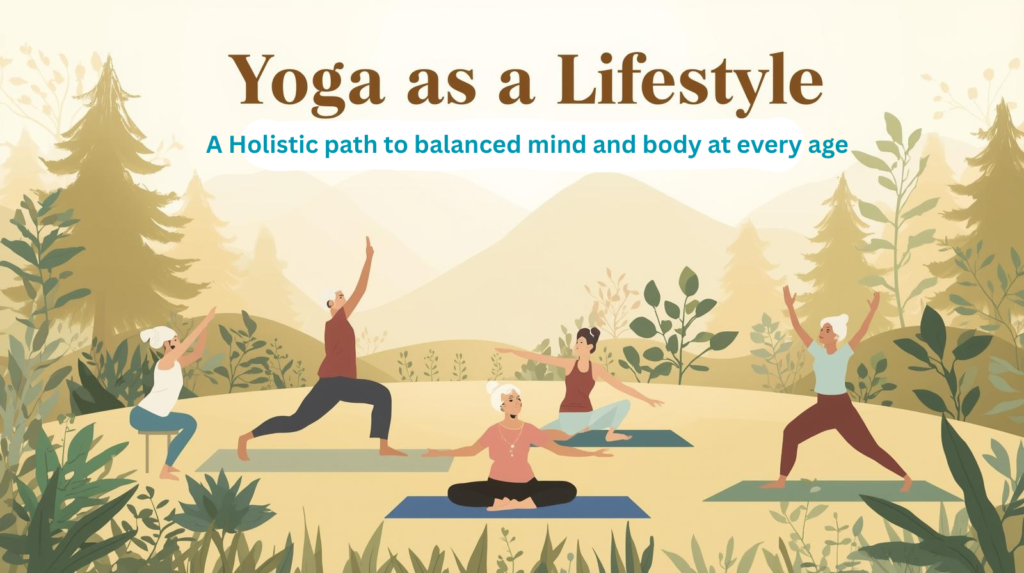
Understanding Yoga as a Lifestyle
The word yoga comes from the Sanskrit root yuj, meaning “to unite.” Traditionally, yoga is a holistic system designed to create harmony between the body, breath, mind, and inner awareness.
A yogic lifestyle goes beyond postures (asanas) and includes:
- Conscious movement
- Breath regulation (pranayama)
- Mental discipline and meditation
- Ethical living and self-awareness
- Balanced nutrition and daily routines
When practiced consistently, yoga becomes a way of life that supports long-term health rather than short-term results.
Physical Health Benefits of Yoga at Any Age
1. Improves Strength, Flexibility, and Posture
Hatha Yoga emphasizes slow, mindful movements and holding postures with awareness. This:
- Builds functional strength
- Improves joint mobility
- Corrects posture and spinal alignment
- Reduces stiffness and chronic pain
For younger individuals, yoga enhances physical performance and injury prevention. For older adults, it maintains mobility and independence.
2. Supports Heart Health and Metabolism
Regular yoga practice:
- Improves circulation
- Helps regulate blood pressure
- Supports healthy metabolism
- Assists in weight management
Combined with mindful eating, yoga contributes to sustainable physical health without extreme exercise routines.
Mental and Emotional Well-Being Through Yoga
3. Reduces Stress and Anxiety
One of yoga’s most powerful benefits is its impact on the nervous system. Through asana, pranayama, and meditation, yoga:
- Activates the parasympathetic (calming) response
- Reduces cortisol (stress hormone)
- Improves emotional regulation
This makes yoga especially valuable for working professionals, students, parents, and seniors dealing with daily stress.
4. Enhances Focus, Clarity, and Emotional Balance
Yoga trains the mind to stay present. Over time, practitioners experience:
- Improved concentration
- Better emotional resilience
- Reduced reactivity
- Greater self-confidence
This mental clarity benefits people of all ages—from children developing focus to older adults maintaining cognitive health.
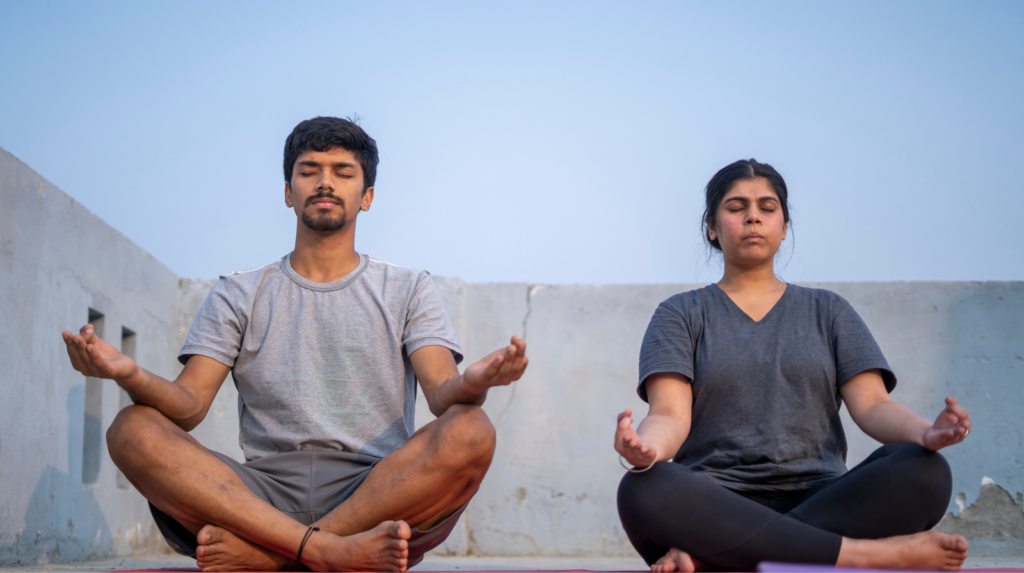
Pranayama and Meditation: The Inner Pillars of Wellness
5. Breath as a Tool for Healing
Pranayama, or yogic breathing, is a cornerstone of a yogic lifestyle. Simple practices such as:
- Anulom Vilom
- Bhramari
- Deep diaphragmatic breathing
help improve lung capacity, calm the mind, and support the immune system. Breath awareness becomes a lifelong tool for self-regulation.
6. Meditation for Inner Stability
Meditation cultivates awareness, patience, and inner peace. Even a few minutes a day can:
- Improve sleep quality
- Reduce anxiety and overthinking
- Increase emotional stability
- Foster a deeper connection with oneself
For all age groups, meditation strengthens mental well-being and inner balance.
Yoga and Healthy Eating: A Natural Connection
A yogic lifestyle naturally encourages mindful and intuitive eating. Rather than rigid diets, yoga promotes:
- Awareness of hunger and satiety
- Preference for fresh, nourishing foods
- Balanced eating habits
- Reduced emotional eating
This approach supports digestion, gut health, and overall vitality, making healthy eating sustainable across all stages of life.
Yoga for Different Life Stages
Children and Teenagers
- Improves concentration and discipline
- Builds body awareness
- Supports emotional regulation
Adults
- Manages stress and lifestyle disorders
- Enhances work-life balance
- Improves strength and flexibility
Seniors
- Maintains mobility and balance
- Reduces joint pain and stiffness
- Supports mental clarity and calmness
Yoga’s adaptability makes it one of the few wellness practices truly suitable for any age.
Why Yoga Is a Sustainable Lifestyle Choice
Unlike fitness trends that change with time, yoga is timeless. Its emphasis on moderation, awareness, and self-care makes it:
- Easy to sustain long-term
- Gentle yet effective
- Preventive rather than reactive
Yoga does not demand perfection—it encourages consistency, compassion, and growth.
Conclusion: Yoga as a Lifelong Companion to Health
Yoga is not about touching your toes or mastering complex postures. It is about living with awareness, balance, and intention. When embraced as a lifestyle, yoga supports physical health, mental clarity, emotional resilience, and inner peace—at any age.
Whether you are just beginning or deepening your practice, yoga offers a holistic path toward a healthier, more harmonious life.
To start your journey to healthier life contact us!